
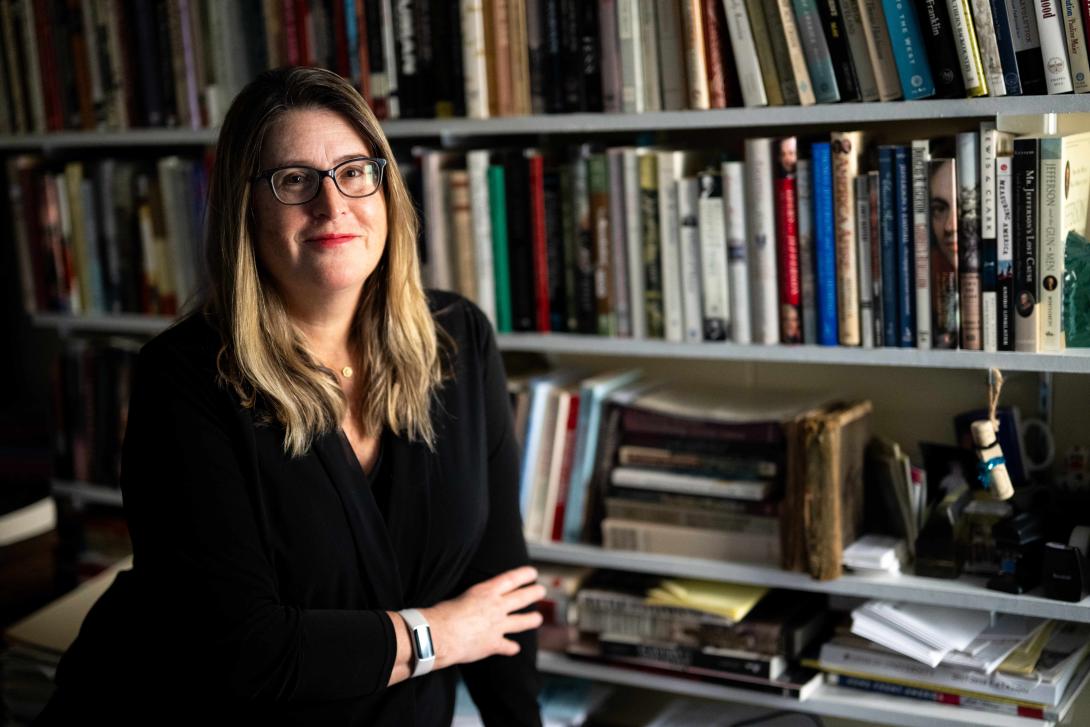
Historian Monica Najar has spent many years unraveling one of the most sensational and misunderstood stories in American publishing history — the tale of Maria Monk, whose lurid 1836 account of convent life became a 19th-century bestseller. It told shocking stories of sexual assault, murder and abuse inside a Montreal convent, stories that helped fuel anti-Catholic sentiment in America for generations. But Monk herself — a 19-year-old pregnant woman who arrived in the United States from Montreal — was most likely never the convent and she died penniless in a poorhouse, never profiting from her own narrative.
The book, Awful Disclosures of Maria Monk, sold 300,000 copies before 1860 and continued to be reprinted well into the 20th century. Monk made sensational accusations that during her time as a nun at Montreal's Hôtel-Dieu, she had been forced by church authorities to participate in horrific acts including the murder of a fellow nun who refused priests' immoral demands. Capitalizing on intense anti-Catholic sentiment, newspapers and New York editors promoted Monk's allegations as exciting "true" revelations about convent life.
When the very pregnant Monk took refuge in the Bellevue Almshouse in 1835, she had nothing but a salacious story to tell. But a host of anti-Catholic and anti-immigrant men saw her narrative as opportunity to convince Americans of the threat of Catholicism—and to make a lot of money for themselves as they did so. Collectively, these men and Monk worked to produce a book they could publish and that would excite a purchasing public, eager for scandal, despite the big holes in her story.
Spotlight Recipient
Monica Najar
Associate Professor of History of Women, Gender, and Sexuality Studies